Building a public roadmap in 2026
Why public roadmaps still work in 2026, what to put on them, and what to leave off. With templates.
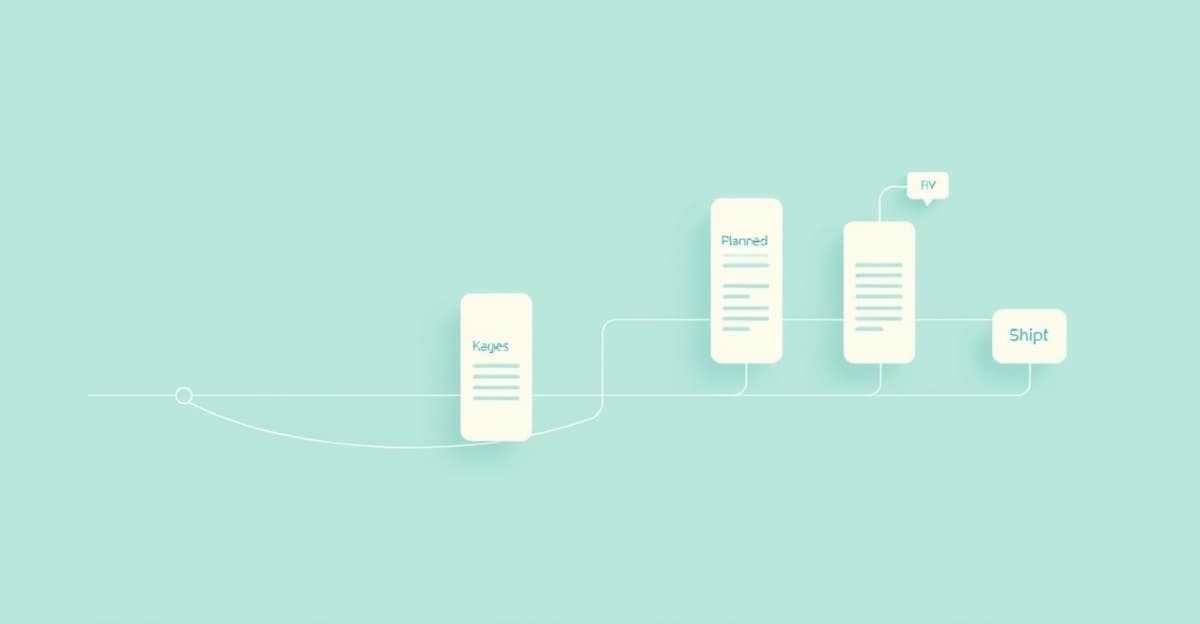
Public roadmaps had a bad decade. The 2017 version — committed quarterly themes shared with customers — turned into legal-ish PR statements that nobody updated. By 2022 most teams had given up.
In 2026, the public roadmap is back, and it's better. Here's how to do it well.
What changed
Three things made public roadmaps useful again:
- Voting + clustering. Customers don't just see the roadmap, they signal what should be on it. AI groups duplicate requests so the volume is honest.
- No-commitment columns. "Planned" doesn't mean "Q3 deliverable." It means "we agree this is worth doing." Modern roadmaps don't promise dates — they promise direction.
- Changelog feedback loop. Customers see a request go from "Open" to "Planned" to "Shipped." That visibility creates trust without locking you in.
What to put on it
Yes:
- The 8–12 things you're most likely to ship in the next 90 days.
- Big themes you've committed to (e.g., "Mobile app overhaul").
- Items that are user-voted to a critical mass.
Maybe:
- Long-term moonshots — but flag them clearly. ("This is a wishlist, not a commitment.")
- Customer-specific asks if they generalise.
No:
- Internal cleanup, refactors, dev-tooling work.
- Anything you're not 70%+ sure you'll do.
- Anything competitive that you don't want competitors to see.
The four columns
The standard kanban layout — Open, Planned, In progress, Shipped — works for 95% of teams.
- Open: voting + grouping happens here. New incoming items.
- Planned: agreed-upon, sequenced. No date.
- In progress: actively being built. Maybe show a progress bar.
- Shipped: links to the changelog entry.
Some teams add Considered or Declined — useful for transparency, but adds noise. Skip unless you're getting a lot of "what about X?" questions.
Closing the loop
When you ship something, tell the people who voted on it. Modern feedback tools do this automatically — Supoid pings every voter when their cluster moves to Shipped, with a link to the changelog entry.
This is the highest-leverage retention move in your product. Customers feel heard. They tell other customers. They forgive other shortcomings.
Templates
The board structure for most B2B SaaS:
- Open (80% of items live here, sorted by vote count)
- Planned (5–8 items, sequenced top-to-bottom)
Try Supoid
Free forever for solo founders. No credit card.